

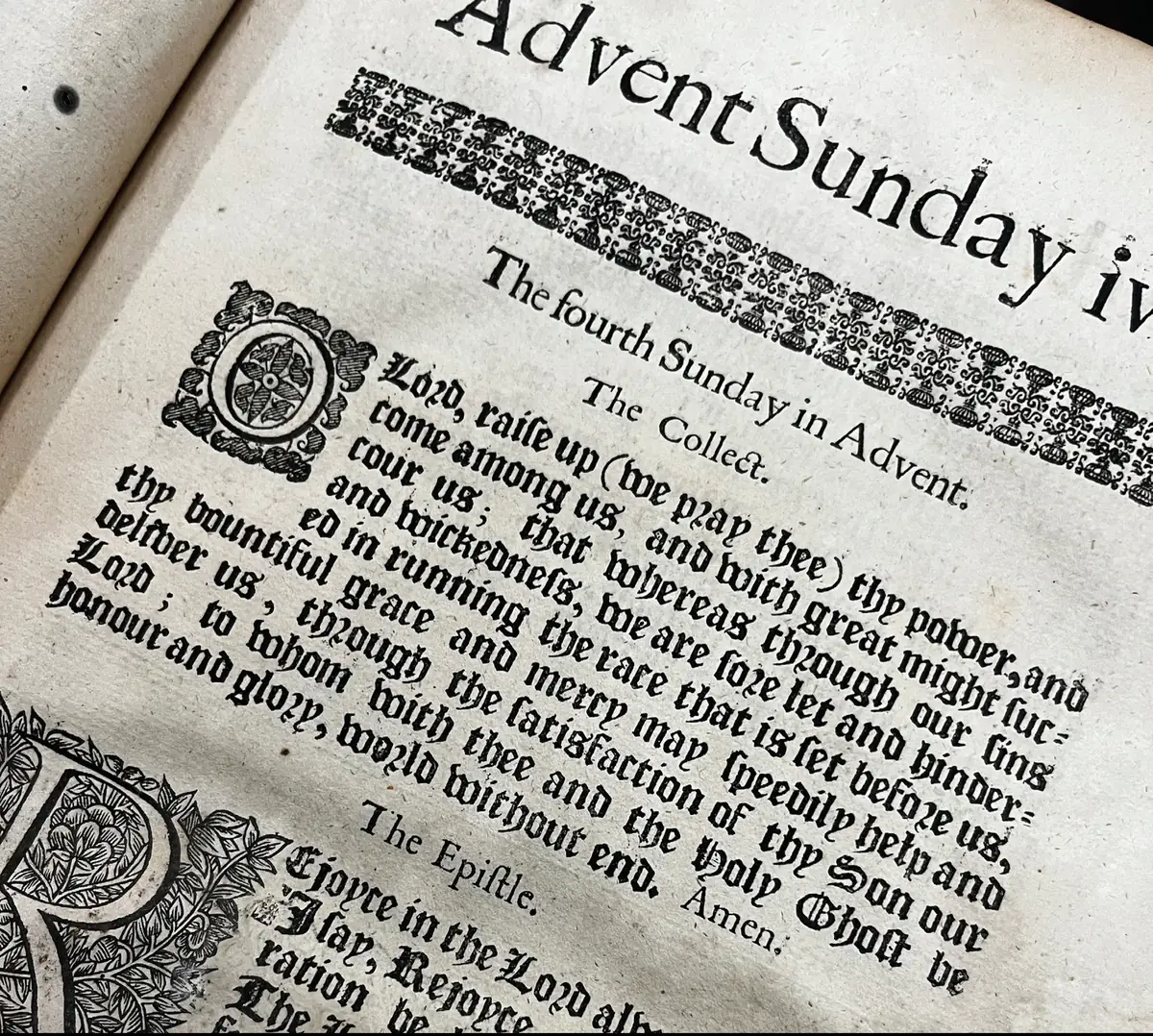
My intent here is to speak to the Catholic side of Anglicanism’s inheritance, Catholic and Reformed. As a historian of liturgy, it seems best that I do this with a defence of the Catholicity of the Book of Common Prayer. My remarks will be divided into four unequal sections. First, I shall explain why my task today is exceptionally difficult. Second, I shall advance a recklessly simple hypothesis that I call “Cranmer’s Scriptural Criterion,” according to which the Prayer Book is best read as the Catholic tradition expressed within the language of scripture. Third, I shall explain why I think this quality of the Prayer Book can be defended as “Catholic,” noting its roots both in late medieval Catholic humanism and in a more ancient understanding of the Church and Scripture as co-inherent. And lastly, I shall say four brief things about how this understanding of the Prayer Book can offer us direction and encouragement in the present day.
For the first three centuries of the Prayer Book’s existence my task today would have been easy, because it was never doubted that the Prayer Book was Catholic. The only question was whether it was sufficiently Protestant. The Puritan Admonition to Parliament in 1571 called it “an unperfecte booke, culled & picked out of that popishe dunghil, the Masse booke full of all abhominations.” In the eighteenth century, William Pitt the Elder sardonically remarked, “We have a Calvinistic creed, a Popish liturgy, and an Arminian clergy.” The Oxford Movement highlighted the Catholicity of the Prayer Book; several of its leaders had attended lectures in the 1820s by the future bishop of Oxford, Charles Lloyd, which demonstrated the survival in the Prayer Book of many medieval Catholic liturgical texts. In 1841, in his explosively controversial Tract 90, John Henry Newman argued that a Catholic reading of the Thirty-Nine Articles of Religion would “bring them into harmony with the Book of Common Prayer.”
For members of the Society
The full text of this article is reserved for members. Sign in with your email, or become a member, to read it in full.