
I approach the question, 'What are the sources of theological authority for Anglicans?' from an oblique angle in this paper. Before Archbishop of Canterbury Charles Thomas Longley invited the then 144 bishops recognized as Anglican to a conference at Lambeth Palace in 1867, before there were any recognized instruments of unity for the Anglican Communion, or indeed before 'Anglican Communion' was first used to designate an international family of churches whose clergy and laity recognized each other as, in some sense, belonging to each other, what were the ties that bound them? Whatever it was that these believers recognized as uniting them was also, to some extent (at least), recognized as authoritative among them. In other words, these were those things they believed themselves bound to believe and to do — that is, the doctrine and discipline, or creed and custom — which made them recognizable to each other and distinguishable from other Christian associations.
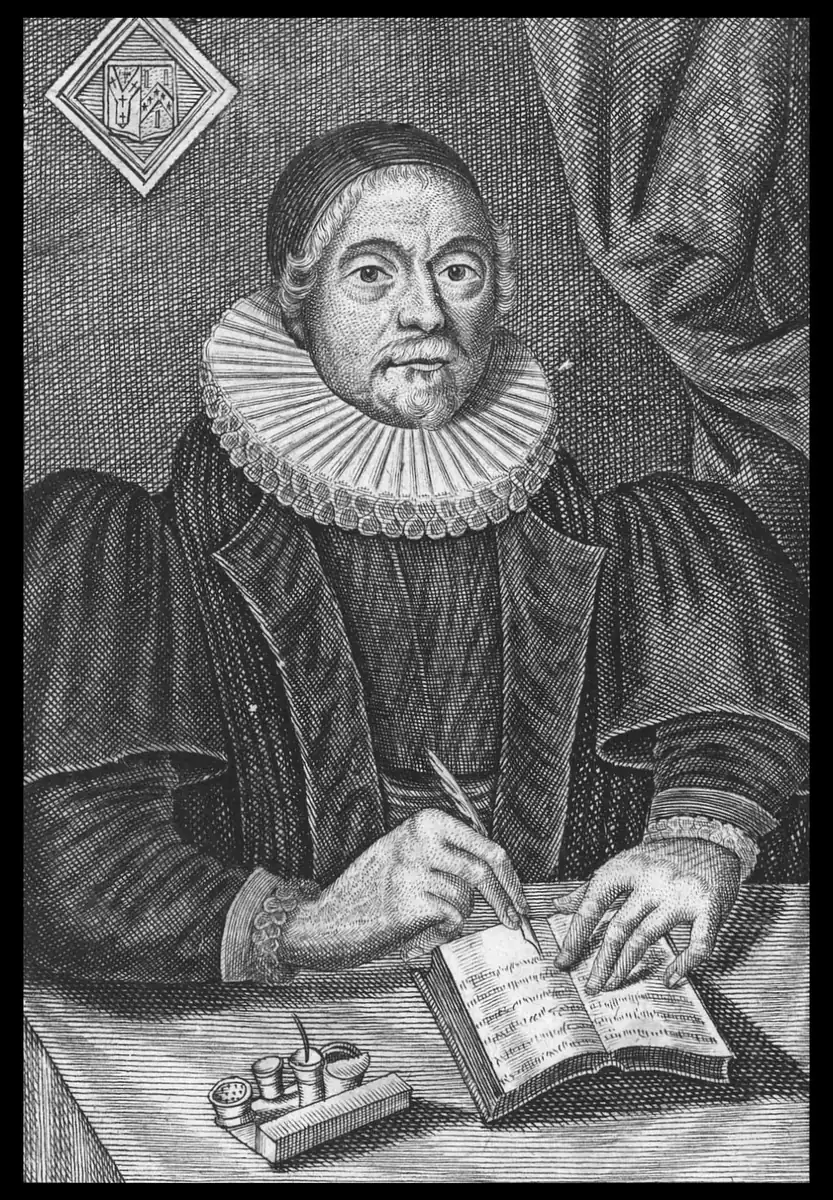
To that end, I will look at two historical moments in which churches outside of England formally and quite carefully asserted a close, as it were, family connection with the Church of England while also maintaining their jurisdictional autonomy. The first concerns the reorganization of the Church of Ireland in the early 17th century, a story in which James Ussher is the major player; the second concerns the formation of the Protestant Episcopal Church in the United States of America in the late-18th century, in which William White plays the leading role.
Before turning to the Church of Ireland in the early 17th century, we must note a doctrine without which events would have unfolded very differently. Article 34 of the English Articles of Religion located the authority to determine all the merely human 'Ceremonies or Rites of the Church' within '[e]very Particular or National Church' and, further, asserted that '[i]t is not necessary that Traditions and Ceremonies be in all places one, or utterly like'.
For members of the Society
The full text of this article is reserved for members. Sign in with your email, or become a member, to read it in full.